Your Gut Is Talking to Your Skin: Here’s What It’s Saying

🕑7 min read | Published: 8. January. 2026 | By: Aadvik Foods

Have you ever stood in the pharmacy aisle at 9 PM, staring blankly at a row of miracle serums, wondering why your skin is still acting up? You’ve done everything right. You’ve double-cleansed, you’ve applied the Vitamin C, and you haven’t touched a chocolate bar in a week. Yet, there it is a fresh flare-up staring back at you in the mirror.

It’s frustrating, right?

Most of us treat our skin like a dirty kitchen counter. If there’s a smudge, we scrub it until it’s raw. If it feels dry, we slather on the thickest, most expensive cream we can find. We try to wash, peel, and polish the problem away. But the fire always seems to come back.

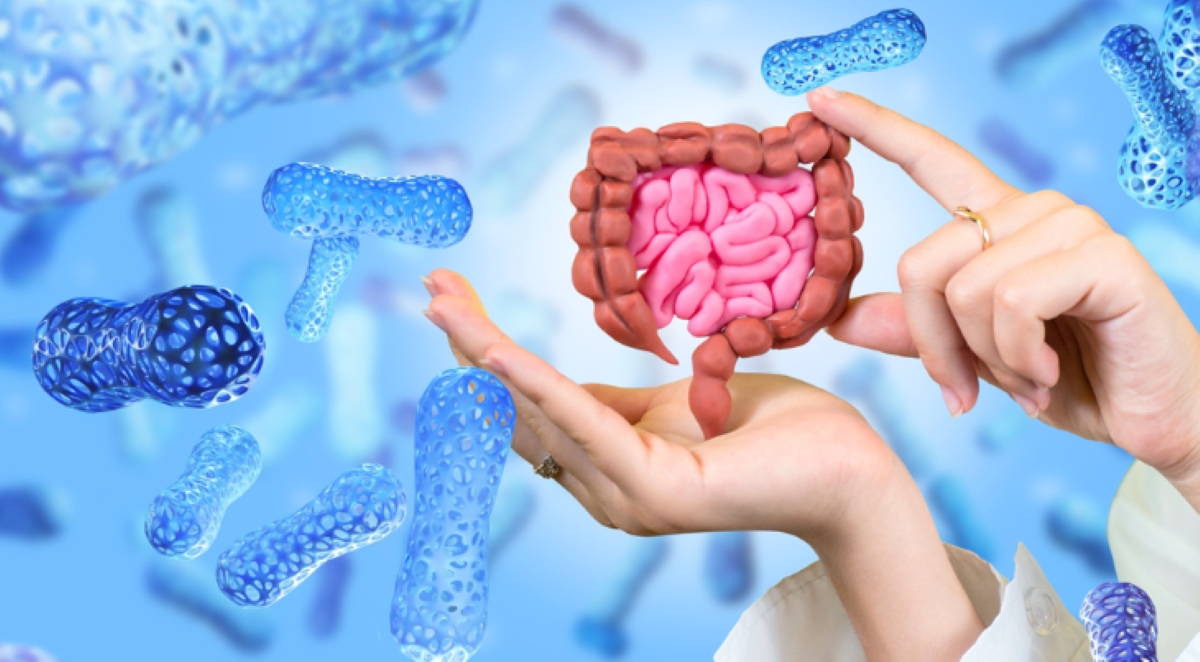
Here is the big secret: Your skin isn’t failing you. It’s actually trying to talk to you. Think of your skin as a mirror. When you wake up with a surprise breakout or your complexion looks a bit grey and tired, it’s rarely just a skin problem. It’s a distress signal coming from deep inside your belly. Scientists call this the Gut-Skin Axis, but you can think of it as a biological hotline. If the signal in the gut is fuzzy, the picture on your face is going to be blurry.

What is the Gut-Skin Axis, Anyway?

To understand this, we have to look at the butterflies in your stomach. You know that fluttery feeling you get when you’re nervous? That’s your brain talking to your gut. Well, your skin is on that very same phone line.

goat butter
Inside your digestive system lives a bustling, microscopic city called the microbiome. This city is home to trillions of tiny bacteria that act as your internal security detail. When these little guys are happy and balanced, they are your best friends. They help break down your food, keep your immune system calm, and even manufacture glow-up vitamins like Vitamin B and K that give you that natural radiance.
But life happens. We get stressed, we pull all-nighters, we grab a few too many processed snacks, or we drink that fourth cup of coffee. When this happens, the good bacteria get outnumbered. The gut sends out internal flares of inflammation. By the time that stubborn blemish appears on your chin, your gut has probably been trying to warn you for days.

Signs Your Gut and Skin Are Having a Disagreement

Your skin is incredibly smart. It doesn’t just break out for no reason; it uses a specific code to tell you exactly what’s happening downstairs. If you learn to read the code, you can stop the fire before it spreads.

The Oil Slick (The Hormonal SOS)
Have you ever felt like you could fry an egg on your forehead by 2 PM? Often, we blame oily skin types, but sudden oiliness is often a signal that your internal balance is off. When the gut is unhappy, it can trigger insulin spikes, which tell your pores to go into overdrive. It’s not just oil, it’s a hormonal SOS.

The Grey Dullness (Nutrient Starvation)
You might be eating the most expensive organic salads in the world, but if your gut isn't unlocking those nutrients, your skin stays hungry. If your complexion looks flat or loses its bounce, it’s often because your gut isn't absorbing the vitamins your skin needs to repair itself.
Grey Dullness on face

The Tired Look (The Slow Burn)

We’ve all had those days where we look aged overnight. Constant internal stress is like a slow-burning flame. It eats away at collagen the stuff that keeps your skin bouncy and firm much faster than it should. This isn't just about getting older; it's about internal inflammation.

The Sieve Secret: Understanding Your Gut Lining

Let us engage in a candid discussion regarding the mechanics of this process. Imagine your gut lining is like a fine-mesh kitchen sieve. Its only job is to let the good stuff vitamins, minerals, water through into your bloodstream while keeping the trash undigested food particles, toxins out.
Gut Lining

When we are constantly stressed or eating foods that our body finds hard to process, those tiny holes in the sieve can get a little too wide. This is what people sometimes call leaky gut.

When trash leaks through into your blood, your immune system pulls the fire alarm. It panics. And since the skin is your body’s largest organ and its primary exit door, it’s usually the first place the smoke shows up. Redness, itching, and sensitivity are often just the outward signs of an internal riot.

The Glow-Up Plan: How to Feed Your Internal Garden

If you want to change the look of the leaves on a plant, you don’t just paint the leaves green you nourish the soil. To fix your skin, you have to feed your internal garden. The best part? It’s not about being restrictive or going on a starvation diet. It’s about diversity.

The 30-Plant Challenge

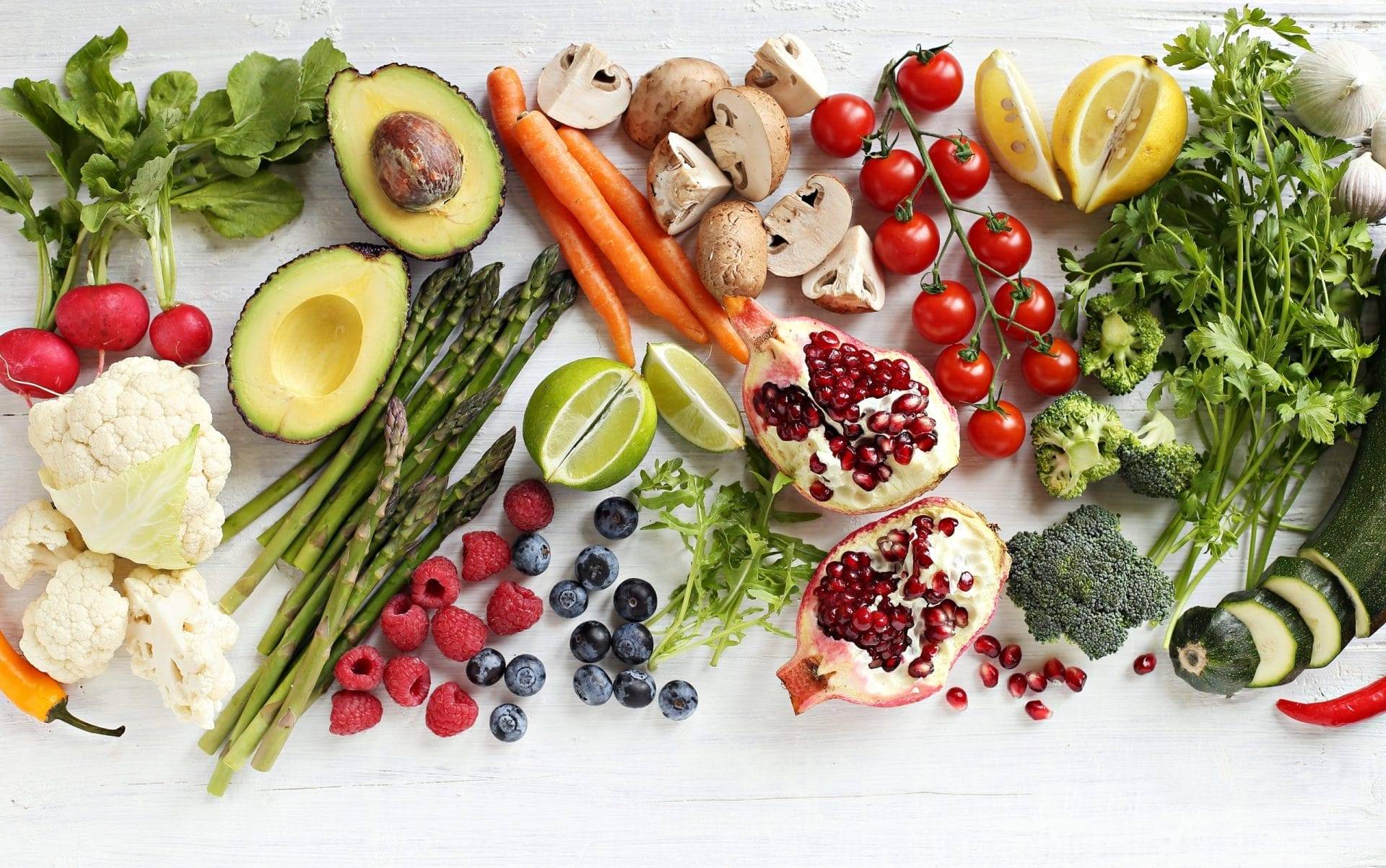
Most people eat the same five veggies every week. To get a glowing complexion, you need a diverse microbiome. Try to hit 30 different plant foods a week.
30 different plant foods

How? It’s easier than you think! It’s not just big salads. Every nut, seed, herb, spice, and different-colored fruit counts. Use purple cabbage instead of green, add a sprinkle of chia seeds to your curd, or use fresh coriander. Diversity in your food means a party in your gut, and a party in your gut leads to calm, happy skin.

Rethink Your Dairy (The Goat Milk Game-Changer)

For years, dairy has often been blamed for skin breakouts. However, experiences can vary widely from person to person. For some individuals, discomfort or skin flare-ups may be linked more specifically to cow’s milk, which contains proteins that can be harder for certain people to digest.
Goat Milk Game-Changer

If you enjoy milk but notice that your skin doesn’t respond well to it, goat milk may feel like a gentler option for some people. Its proteins are naturally smaller, which many find easier to digest. That said, it’s important to remember that goat milk is still a form of dairy, and tolerance can differ from one body to another.

Rather than viewing any single food as a solution or a problem, it helps to observe how your own body responds. Before making changes to your diet, especially if you’re experiencing persistent skin or gut concerns, it’s always best to seek personalised guidance from a qualified nutritionist, dietitian, or healthcare professional.

Send in the Peacekeepers

Probiotics are beneficial microorganisms that assist in repairing the gaps in your intestinal barrier. You can find these in fermented favorites like:
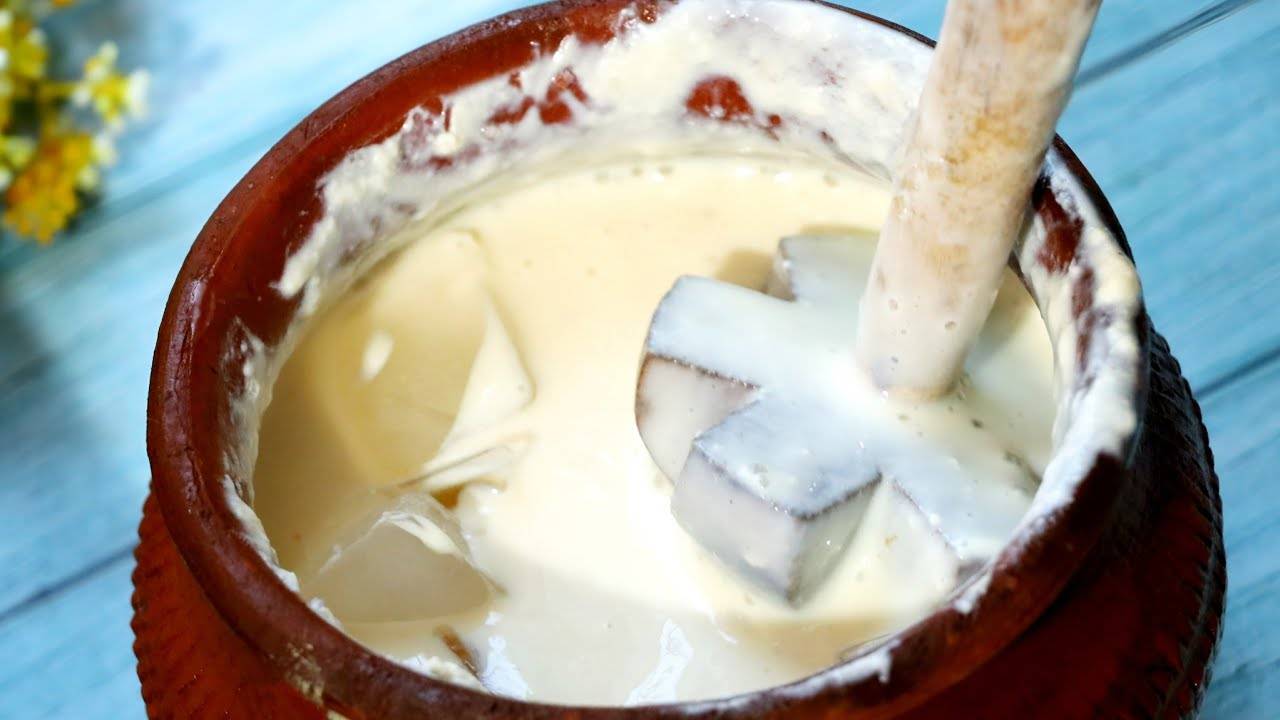
Lassi

  • Curd (Dahi) or Lassi: The classic Indian gut-healer.
  • Kimchi or Sauerkraut: For a bit of zing.
  • Mild Kombucha: A fizzy treat for your bacteria. Supplements like Zinc, Vitamin D, and Omega-3s also act like a support team, helping to soothe the gut lining from the inside out.

Simple Daily Habits for Better Skin

You don’t need a 12-step skincare routine to see a difference. Start with these three gut-first habits:

  • Breathe Before the Bite: Stress literally shuts down your digestion. If you eat while you’re scrolling through emails or rushing, your food just sits there. Taking five deep breaths before every meal tells your nervous system, Hey, we’re safe now. You can focus on digesting.
  • Hydrate with Strategy: Your gut lining needs water to stay strong and slippery so things move along smoothly. Try swapping your third cup of coffee which can be dehydrating for a soothing herbal tea like ginger or peppermint.
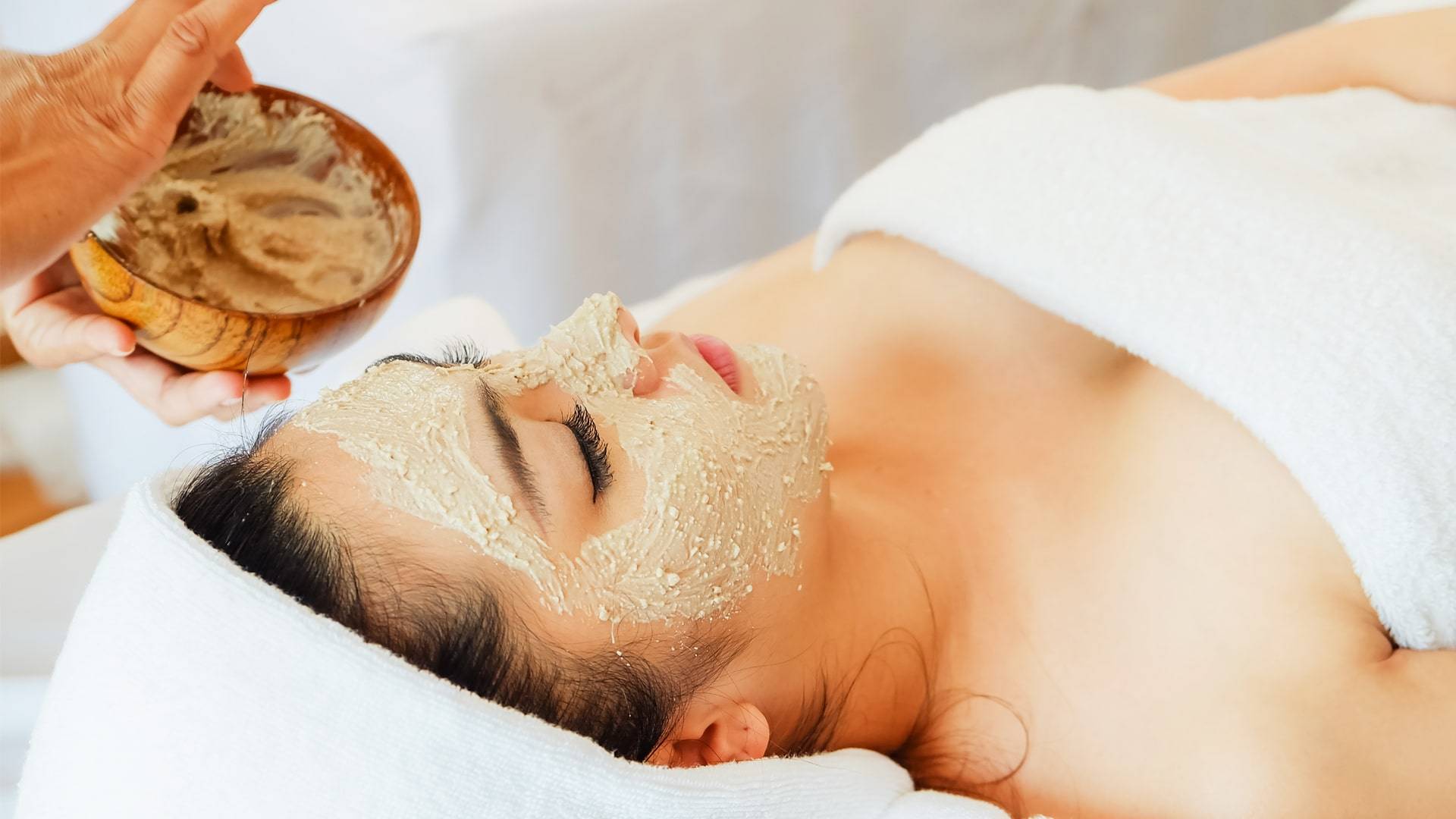
  • Be Gentle Outside, Too: Stop the harsh scrubbing! When you use aggressive physical scrubs, you’re sanding off your skin’s natural defenses. Use a mild, pH-balanced cleanser around 5.5. While you’re healing the inside, make sure you aren't bullying the outside.
Face scrubbing

Final Thoughts: Healing from Within

Sustainable radiance isn’t found in a magic bottle at the store. It is established through the subtle decisions you make daily.

When you start feeding your microbiome a rainbow of plants, managing your stress, and choosing gut-gentle options like goat milk, something amazing happens. Your skin stops screaming and starts glowing.

It’s no longer about covering up a symptom or hiding behind heavy makeup it’s about finally listening to your body and healing the source. Your skin has been trying to tell you the truth all along isn't it time you started listening?

Start small. Listen to your body. When your gut feels supported, your skin often follows.

Frequently Asked Questions

How does gut health relate to skin health?

Your gut and skin are connected through inflammation, nutrient absorption, and your microbiome. If your gut isn’t balanced, it can sometimes show up as breakouts, dullness, or sensitive skin.

Why is everyone talking about gut health?

The gut plays a big role in digestion, immunity, and overall well-being. A healthy gut helps your body absorb nutrients properly, which can even reflect in how your skin looks.

Does your gut health affect your skin?

Yes, in many cases. If the gut is out of balance, it can influence inflammation, hormones, and nutrient availability, all of which can impact the skin.

What are the signs of poor gut health?

Common signs include bloating, irregular digestion, fatigue, and sometimes skin changes like breakouts or redness. Your skin can be one way your body signals that your gut needs support.

How to clean your gut health?

Instead of cleaning in a strict sense, it’s better to focus on supporting gut balance: eat a variety of plant foods, include fermented foods like curd or kimchi, stay hydrated, and manage stress.

What is the 7-day gut reset?

Some people follow a short-term plan to improve gut habits, usually by eating fiber-rich foods, fermented foods, and avoiding processed foods. Think of it as giving your gut a gentle reset through healthy choices.

What is the quickest way to heal your gut?

There’s no instant fix. The most effective approach is consistent: diverse plant-based foods, fermented foods, adequate hydration, and reducing stress. Small daily habits add up over time.

What drink cleans your gut?

No single drink cleans the gut. Gentle options that support digestion include water, herbal teas (like ginger or peppermint), and fermented drinks like lassi or mild kombucha.

Does goat milk heal the gut?

Goat milk is easier for some people to digest than cow’s milk and can be gentler on the stomach. It may support gut comfort for some, but it’s not a cure or guaranteed solution.

 Is goat milk good for skin problems?

For some individuals, goat milk is gentler than cow’s milk and may reduce digestive stress that can sometimes affect the skin. Everyone reacts differently, so observe how your body responds.

Can I apply goat milk to my face every day?

You can use goat milk topically as a mild moisturizer or cleanser, but patch-test first. Some people find it soothing, while others may be sensitive. Always pay attention to how your skin reacts.


Related Articles

How Every Bite Shapes Your Gut Health and Microbiome
How Every Bite Shapes Gut Health: What Your...
How Your Kitchen Supports Immune Health During Winter
How Your Kitchen Supports Immune Health During Winter...
The Connection Between Gut Health and Skin: What You Need to Know
Your Gut Is Talking to Your Skin: Here’s...
Why Is Goat Butter from Gujarat Yellow and Why Does It Matter?
Why Gujarat’s Goat Butter Is Yellow and Why...
Camel Milk in Ayurveda: From Desert Tradition to Modern Wellness
Camel Milk in Ayurveda Explained: Balancing Doshas, Boosting...
Sale Off
Goat Milk Powder
₹ 1,299.00₹ 1,249.00