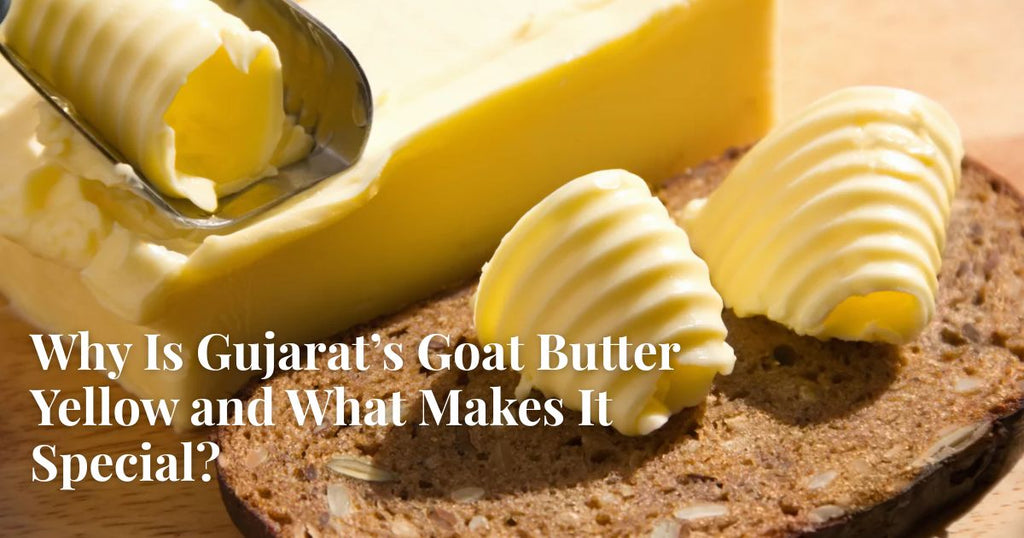
Why Gujarat’s Goat Butter Is Yellow and Why That’s a Good Thing

🕑7 min read | Published: 3. January. 2026 | By: Aadvik Foods

(Breaking the “White Milk” Myth)

If someone opens a jar of goat butter and sees a rich, golden-yellow color, the first reaction is often doubt. Many people grow up believing that goat milk is always white, and that any yellow shade must mean cow milk or added color.

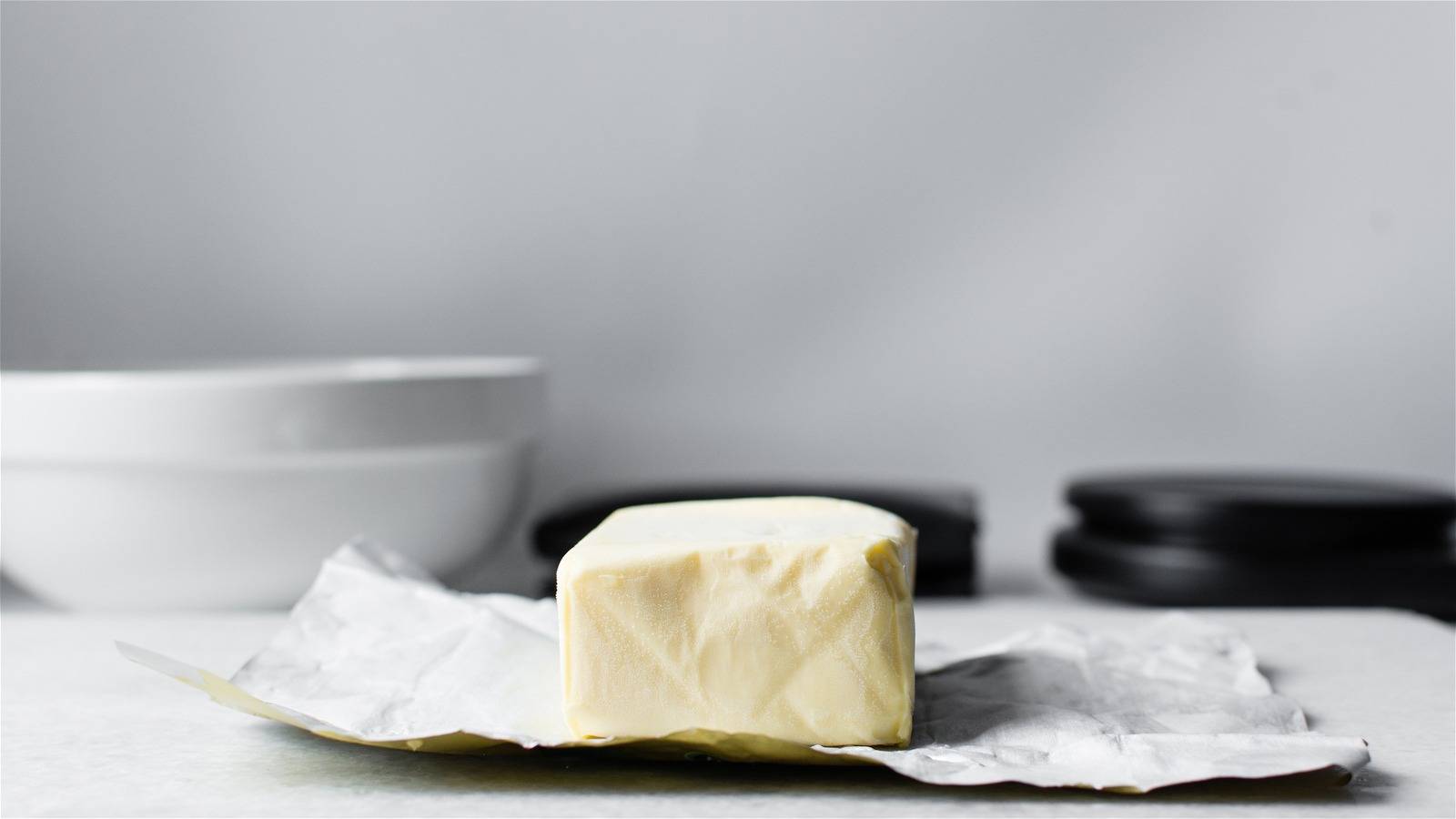
goat milk butter

But travel to the Gandhinagar region of Gujarat, and that belief quickly falls apart. Here, the so-called white milk rule simply doesn’t apply. In this part of the country, nature produces what locals often describe as Golden Goat Butter. It isn’t mixed, it isn’t artificial, and it isn’t a flaw. That warm yellow tint is actually a natural biological signature shaped by the region’s ecosystem and the unique diet of the goats raised there.

The Bypass Science: Why This Butter Is Different

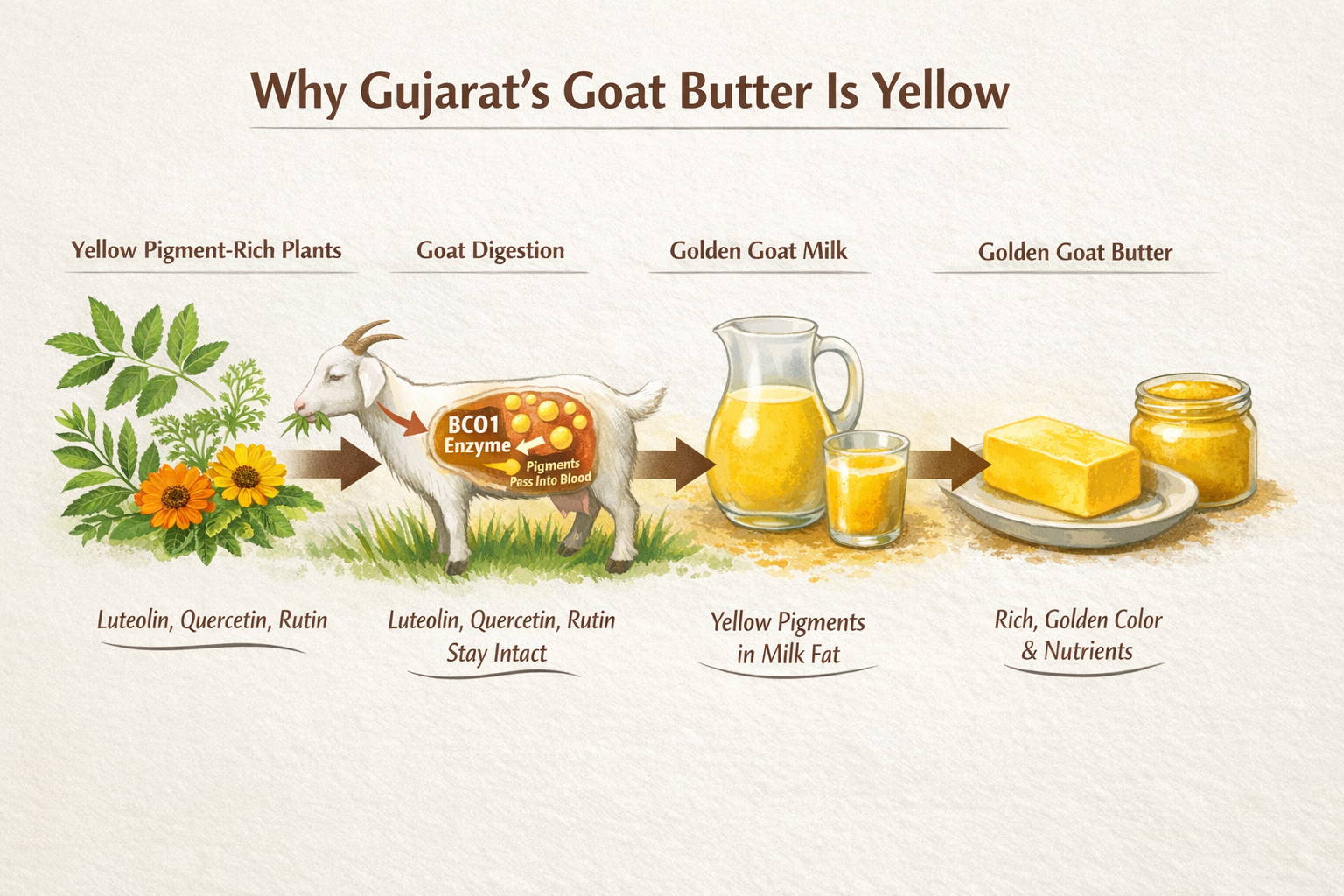
In most goats, milk stays white because of a natural process inside the body. Goats have an enzyme called BCO1 in their digestive system. When they eat green plants, this enzyme breaks down yellow plant pigments, such as beta-carotene, and converts them into colorless Vitamin A. As a result, the milk fat appears white or cream-colored.

The goats raised in parts of Gujarat follow a different biological path.

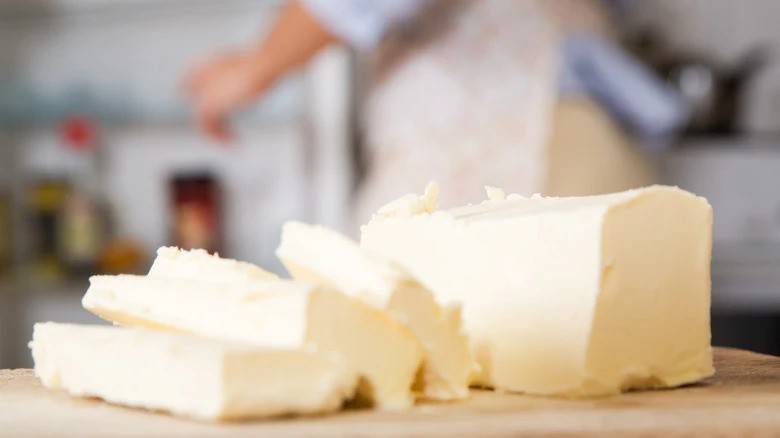
goat butter
They graze on a diverse range of local plants that contain pigments like luteolin, rutin, and quercetin. These compounds are structurally different from beta-carotene. The goat’s BCO1 enzyme does not recognize them in the same way. Instead of being broken down and losing their color, these pigments remain intact, enter the bloodstream, and move directly into the milk fat.

The result is butter that naturally retains a golden hue, nature’s way of allowing the nutrients of the landscape to remain visible.

The Golden Diet: What Are These Goats Eating?

The color of this butter begins in the fields, not the churn.
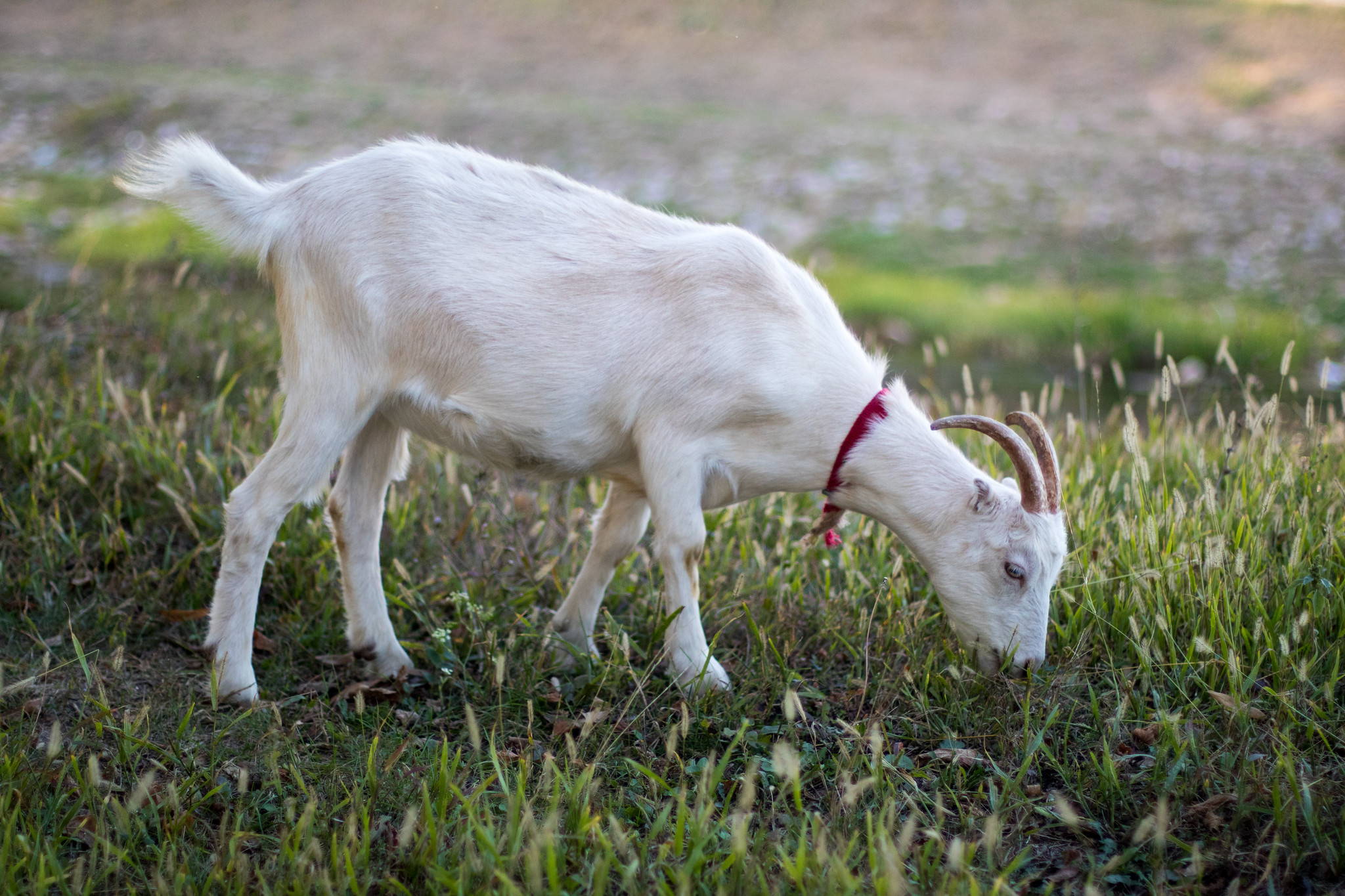
Goats in Gujarat do not rely on ordinary grass alone. They browse across a landscape rich in hardy, medicinal vegetation that thrives in arid and semi-arid conditions. This diverse diet is the foundation of the butter’s distinctive color.
goat milk nutrition
  • Arid Trees: Neem, babul, and peepal leaves are rich in yellow flavonoids.
  • Medicinal Shrubs: Plants such as khijda and vakhda contribute strong, natural pigments.
  • Green Fodder: Lucerne (laska) and mustard greens are especially high in carotene and xanthophylls.

When goats eat this well, their milk becomes a kind of liquid expression of the local environment, often described as liquid gold drawn directly from the land.

Is the Butter Pure? Understanding the Biological Fingerprint

Color alone is never taken as proof. To rule out any possibility of cow milk mixing, the butter was tested using standard adulteration screening methods, which showed no evidence of contamination.

Pure butter
More importantly, goat fat has a distinct biological fingerprint that sets it apart from cow fat.
  • Capric Acid (C10:0): A defining marker of goat milk fat. This butter contains around 11.19%, while cow milk fat typically contains closer to 3%.
  • Oleic Acid (C18:1n9c): Present at about 19.71%, this fat helps stabilize natural pigments, allowing the yellow color to remain steady over time.
These characteristics confirm that the color comes from genuine goat milk fat, not from mixing or external additions.

Visual Proof and Indigenous Breeds

Laboratory data aside, the difference is visible to the naked eye.
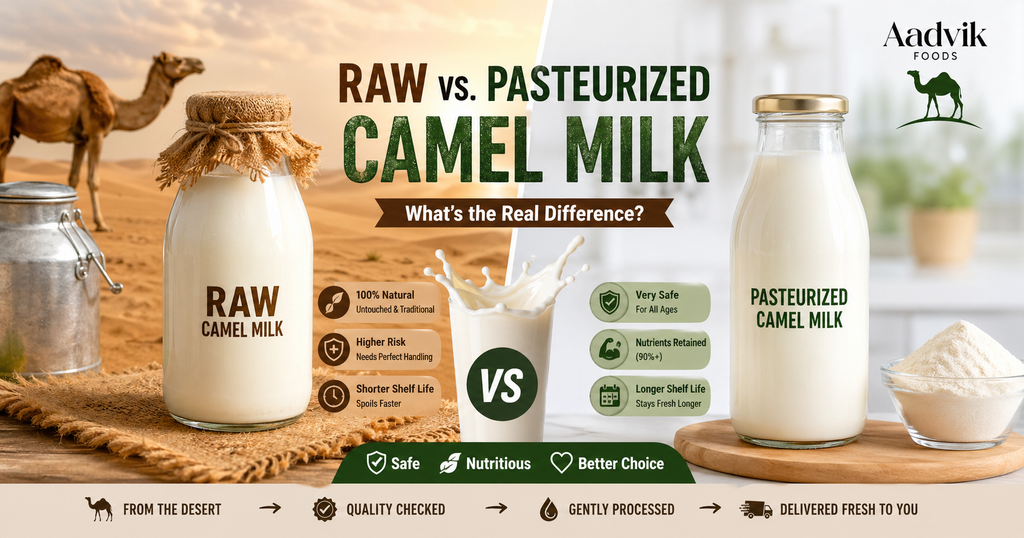
During milking in the Gandhinagar region, the fresh foam that forms on top of the milk often carries a faint yellow tint from the very first moment. When this cream is placed next to camel milk, famous for being almost bone-white, the contrast becomes immediately obvious.
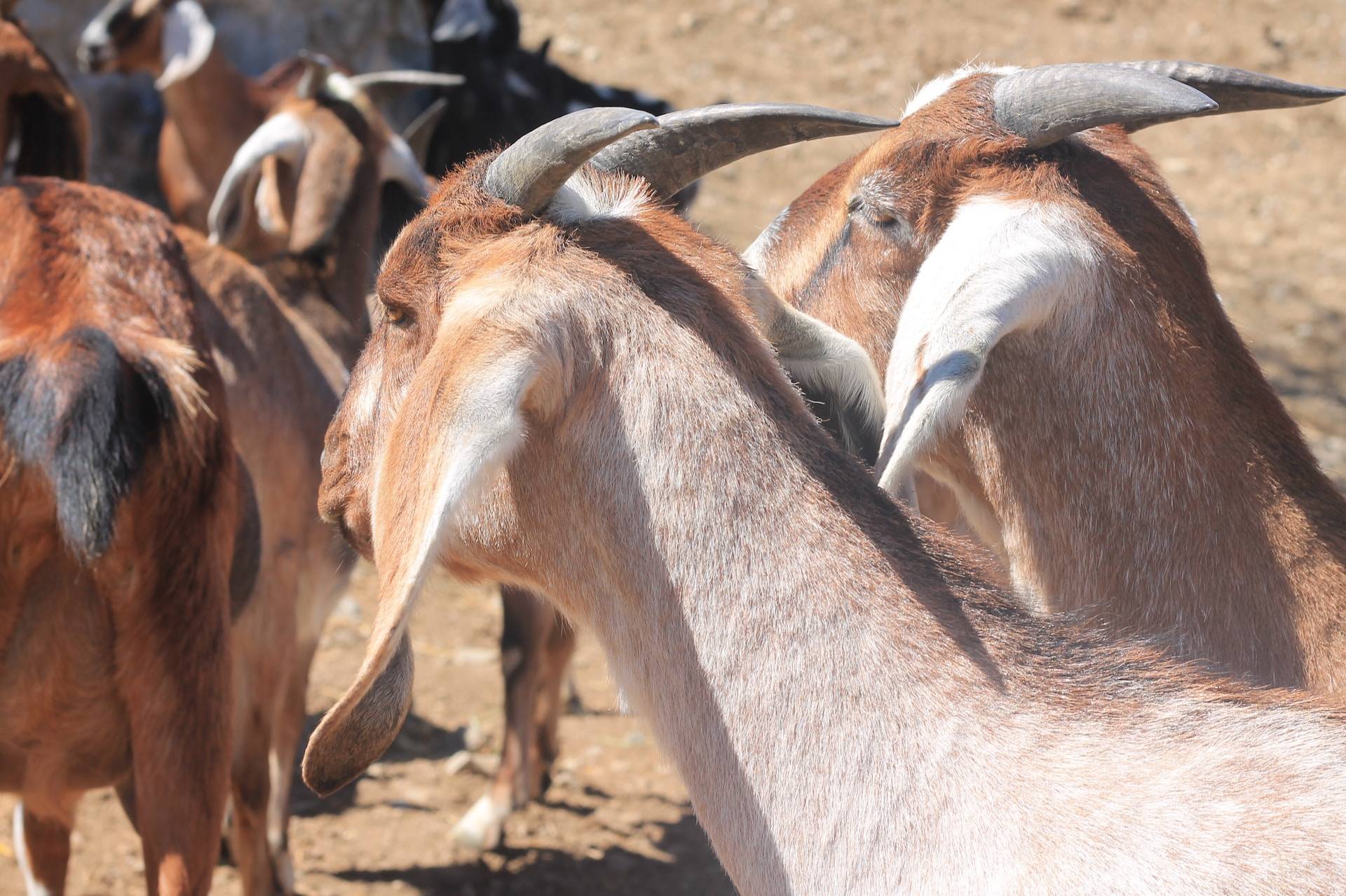
This milk comes from hardy indigenous goat breeds that have adapted to the region over centuries, including Sirohi, Zalawadi, Jamnagiri, Popat, and Ajmeri goats. These animals are uniquely suited to convert dry, medicinal shrubs and sparse greenery into nutrient-dense milk fat with a natural golden tone.
indigenous goat breeds

Goat Butter vs. Cow Butter: A Simple Comparison

Table of Contents
FeatureGujarat Goat ButterStandard Cow Butter
Primary yellow sourceRare flavonoids (luteolin, rutin)Beta-carotene
Capric acid contentHigh (~11.19%)Very low (~3%)
Typical colorGolden yellowPale yellow to cream
NaturePasture-derived, ecosystem-drivenMore uniform
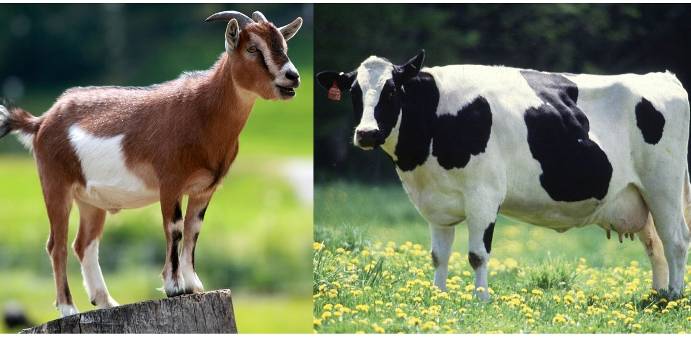
Both butters can appear yellow, but the reason behind the color is fundamentally different.
Goat vs cow

Health Perspective and Everyday Use

Beyond its appearance, goat butter is often considered easier to digest for many people. Goat milk fat naturally forms smaller fat globules, which the body can break down more efficiently. The presence of capric acid a medium-chain fatty acid means the fat is more readily used for energy rather than stored.

Ways to use it:

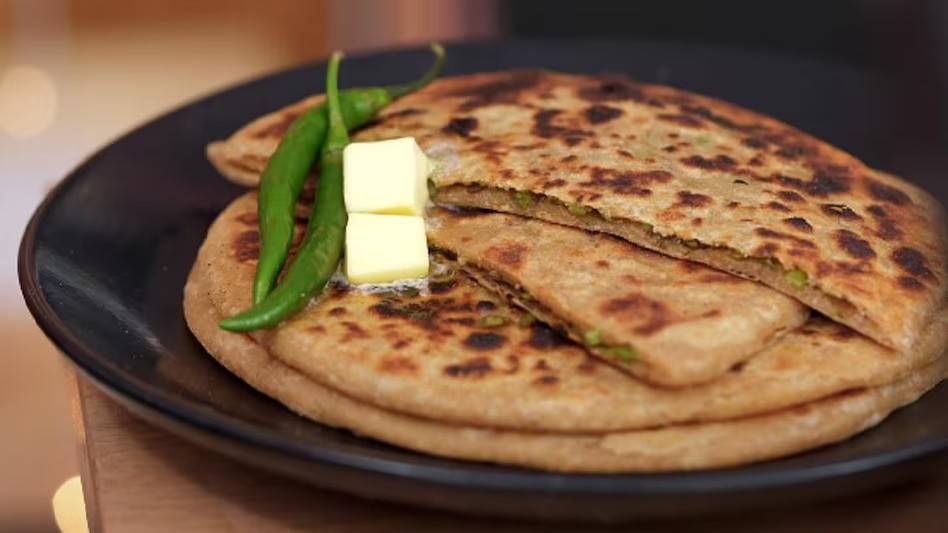
  • Traditional: Spread over hot bajra no rotlo or thepla, where warmth releases a subtle herbal aroma.
  • Modern: Blended into coffee for those who prefer richer fats.
  • Finishing touch: A spoon stirred into hot paratha, dal or khichdi just before serving.
Indian regional foods

How to Store Goat Butter Properly

Because the color comes from natural plant pigments, it responds to light and heat.

  • Use opaque containers: Ceramic or dark jars help protect the pigments from fading.
  • Store in a cool place: Refrigeration or a cool, dry environment keeps the fats fresh and stable.

The Bottom Line

The yellow color of goat milk butter from Gujarat is not a defect or a shortcut, it is a natural signature of the land it comes from. It reflects goats grazing on medicinal plants, thriving in a dry climate, and passing those plant pigments directly into their milk. This golden shade tells a story of local ecology, traditional grazing, and minimal interference.

In a food system that often values uniformity over authenticity, this butter stands out by staying true to its origin.

Next time if the butter isn’t white, pause and check its origin. Appreciate its natural color and what it says about the land and goats behind it.

For bulk orders of goat butter, please contact us at: https://aadvikfoods.com/pages/b2b

Frequently Asked Questions

What does it mean if goat butter is really yellow?

Yellow butter usually comes from natural pigments in milk, such as beta-carotene and flavonoids. This is normal and reflects the animal’s diet.

What is the color of goat butter?

Goat butter can range from white to pale or golden yellow, depending on the feed and breed of the goats. Generally, goat butter is white in most regions but in some arid and semi-arid regions, it is yellow depending on the flavonoid-rich diet.

Which butter is better, white or yellow?

Both are safe and nutritious. The color difference mainly reflects diet and natural pigments in the milk.

Is yellowed butter safe to eat?

Yes. Natural yellow butter is safe. Only check for spoilage, such as a sour smell or mold.

Which is healthier, goat butter or cow butter?

Both are nutritious. Goat butter has smaller fat globules, which may make it easier to digest for some people.

Is yellow butter unhealthy?

No. The yellow color comes from natural plant pigments in the milk and does not affect safety or quality.

Which is the healthiest butter to eat?

Butter made from milk of pasture-fed goats or cows, with minimal processing, retains more natural nutrients.

How to make butter with goat milk?

Fresh goat milk or cream can be churned until butter separates from whey. Wash and store in a clean, cool, opaque container.

What do you use goat butter for?

It can be used for cooking, spreading on breads, adding to dal, khichdi, or traditional recipes.

Is goat milk butter healthy?

Yes. It contains beneficial fats, vitamins, and nutrients, and is considered safe and nutritious when consumed in moderation.
Related Articles

The Connection Between Gut Health and Skin: What You Need to Know
Your Gut Is Talking to Your Skin: Here’s...
Why Is Goat Butter from Gujarat Yellow and Why Does It Matter?
Why Gujarat’s Goat Butter Is Yellow and Why...
Camel Milk in Ayurveda: From Desert Tradition to Modern Wellness
Camel Milk in Ayurveda Explained: Balancing Doshas, Boosting...
Camel Festival In Rajasthan 2025–2026: Pushkar and Bikaner Ultimate Desert Experience
Ride into Rajasthan’s Desert Magic: Pushkar & Bikaner...
Comparing Goat Milk vs Cow Milk: Which One Suits Your Health Best?
Cow Milk vs Goat Milk: Same Glass, Different...
Donkey Milk Benefits and Uses: Cleopatra’s Secret for Skin and Wellness
Donkey Milk: Cleopatra’s Secret to Ageless Skin and...
Is Goat Milk Good for Your Skin? Here’s What You Should Know
Why Goat Milk Might Be Your Skin’s New...
Raw Goat Milk: Tradition, Nutrition and What to Know Before Trying It
Raw Goat Milk: A Forgotten Tradition Making a...
Can Camel Milk help with Autism? What Parents and Research Say
The Surprising Link Between Selenium, Stress, and Autism...
Is Camel Milk Available Near Me in India?
Is Camel Milk Available Near me? 🕑3 min...
Sale Off
Goat Milk Powder
₹ 1,299.00₹ 1,249.00