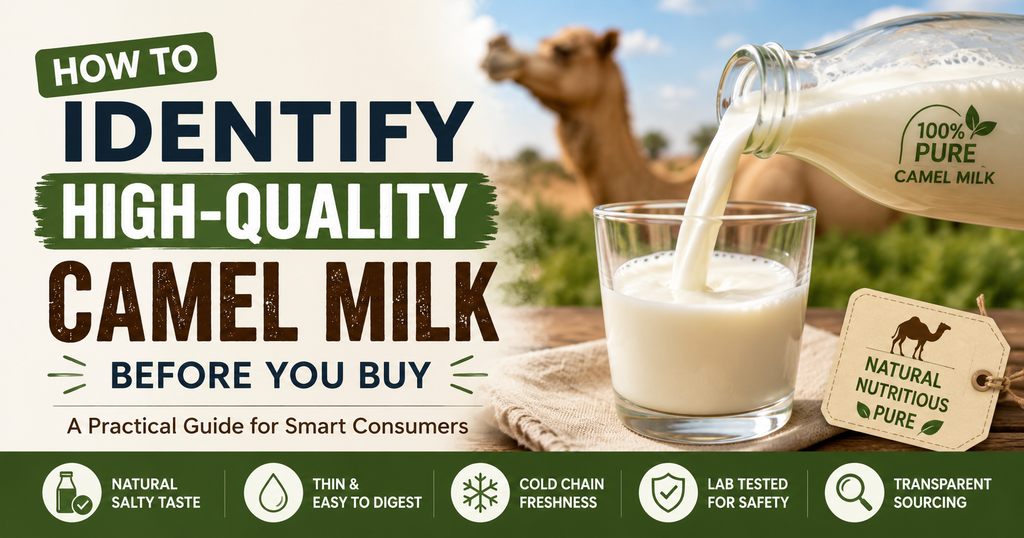
Good-quality camel milk should have a clean aroma, a naturally thin texture, a mildly salty taste, and clear sourcing information. It should also come from a supplier that follows proper testing and cold-chain practices.

For many consumers unfamiliar with camel milk, their first pour comes as a surprise. The liquid appears noticeably thinner than cow's milk, resembling skim dairy, and features a distinctly salty flavor profile.
Because camel milk is a premium nutritional investment often chosen by households looking for an easy-to-digest alternative to traditional dairy these unfamiliar characteristics can raise immediate concerns. You might wonder: Is my milk diluted? Is this a bad batch?
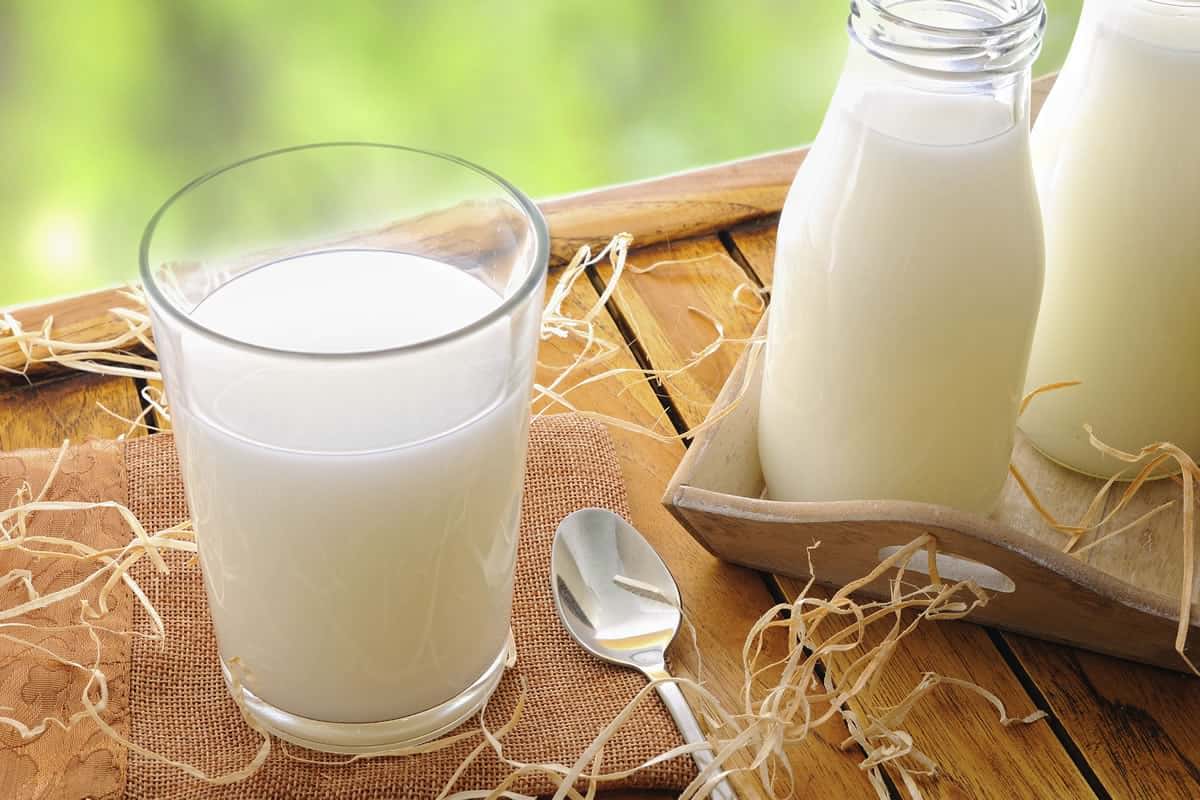
However, camel milk operates under entirely different biological rules than cow's milk. Assessing true quality requires understanding how this unique milk behaves, how it must be handled in transit, and how to evaluate suppliers objectively.
The sensory differences between camel milk and cow's milk are entirely natural. Understanding these traits helps you evaluate the integrity of your milk without relying on common misconceptions.
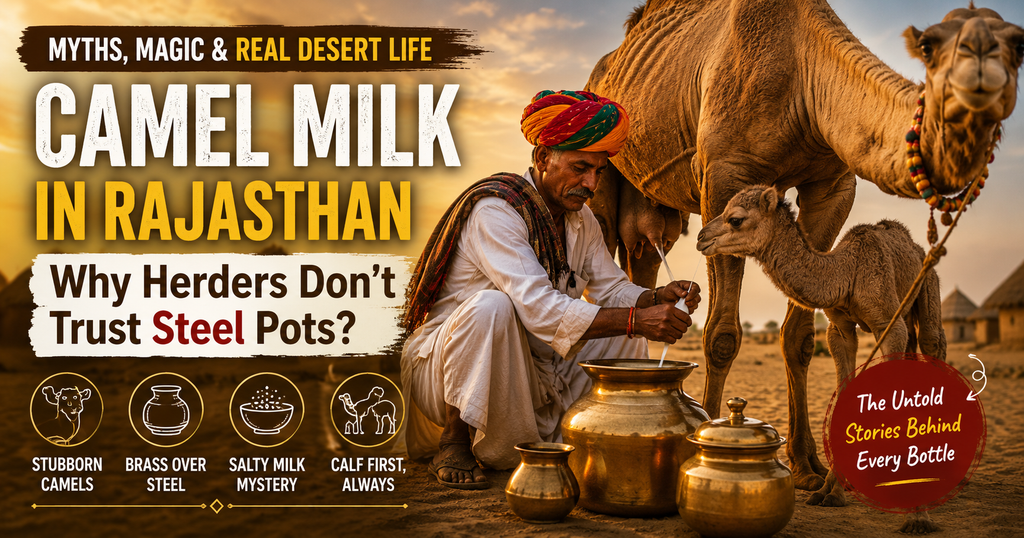
Local folklore says that Lord Shiva originally created the camel out of clay because his wife, Parvati, wanted a strange pet to keep her entertained. The problem was that the clay camel was completely wild. It kept running away, knocking over spirit altars, and creating chaos.
1. The Fluid Texture And Why There's No Cream Layer
Unlike cow's milk, camel milk is naturally fluid and thin. It completely lacks beta-lactoglobulin, a specific protein that helps bind fat globules together to create a thick, glass-coating cream layer.
Because these binding proteins are absent, slight structural micro-separation is entirely normal during storage. A gentle shake easily blends the liquid back together.
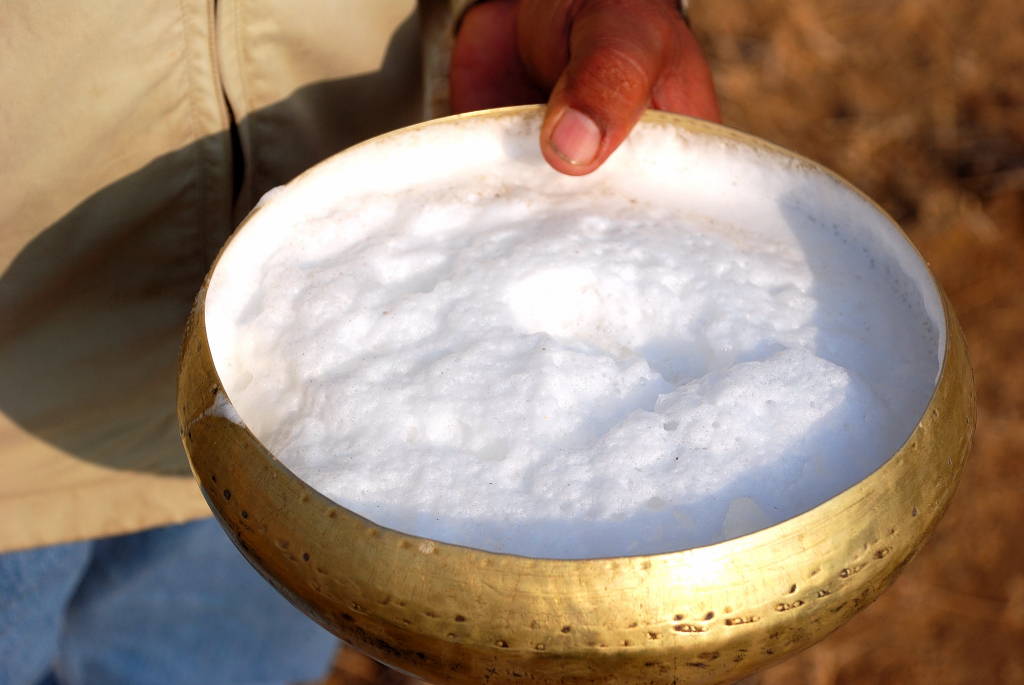
2. The Salty Flavor Profile
3. Visual and Structural Consistency
While minor separation is normal, the structural proteins should remain stable. When evaluating a poured glass, look for these markers:
The journey from the farm to your home introduces specific variables that directly impact the freshness of the final product.
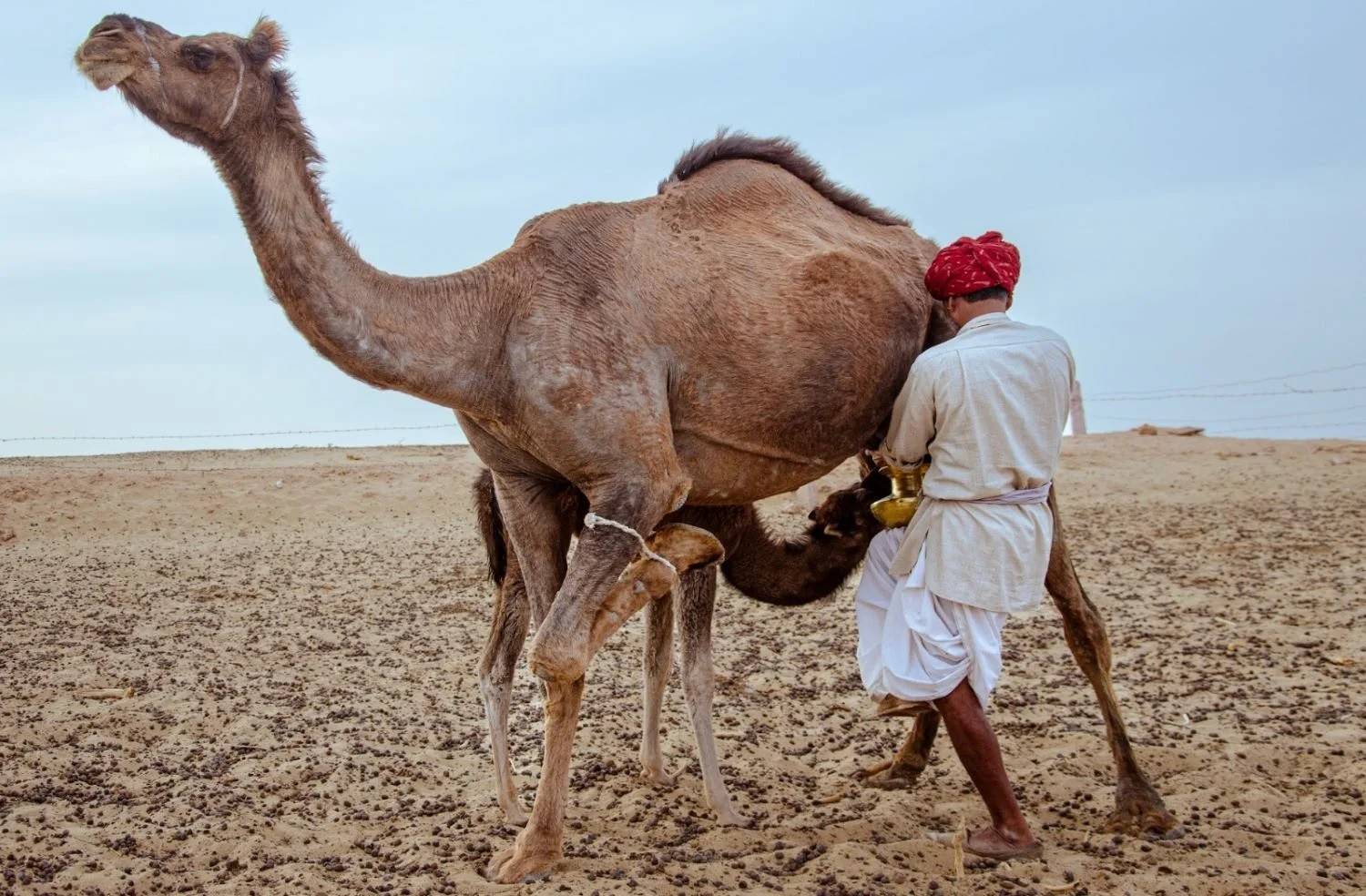
Managing Low-Yield Dairy Farms
Unlike traditional dairy cows, which calmly produce 30 to 40 liters of milk daily, camels yield significantly less typically just 5 to 7 liters per day. Furthermore, camels possess a highly sensitive milk-ejection reflex. Environmental stressors or impatient handling can instantly halt their milk letdown.
Because successful camel dairying depends on low-stress environments, large-scale factory farming is highly impractical. This limited global supply has led to two distinct industry sourcing models:
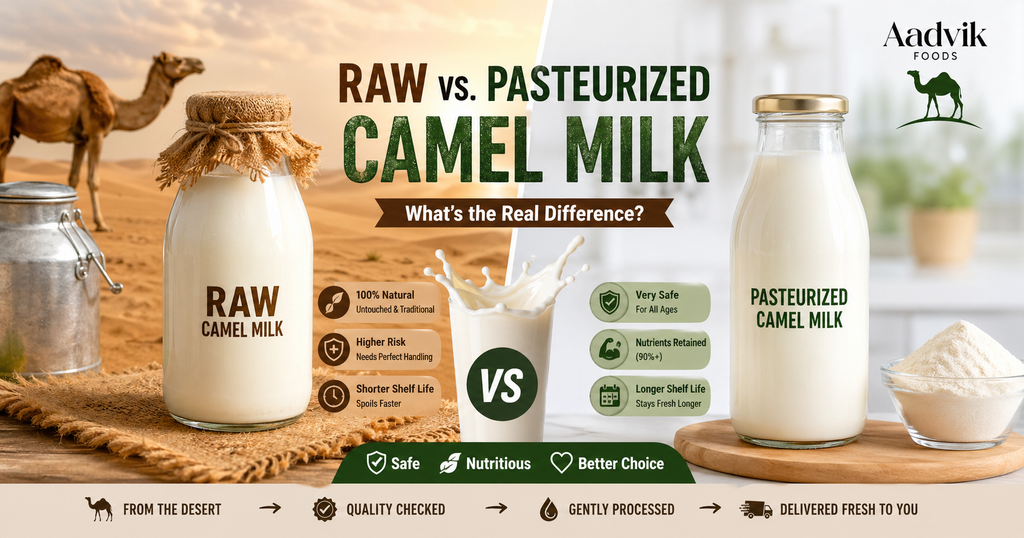
| Milk Type | Storage Life (Once Thawed/Opened) |
|---|---|
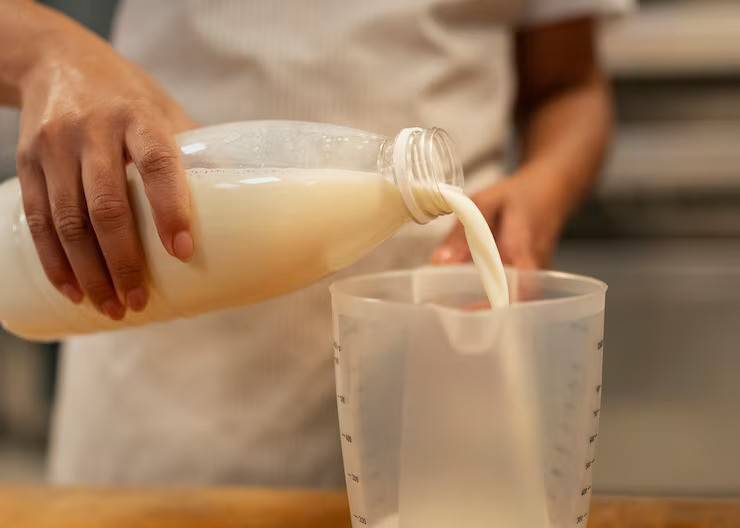
| Pasteurized Camel Milk | Typically remains fresh and stable for 2 to 3 weeks under continuous refrigeration. |
| Raw Camel Milk | Lacks the safety nets of heat processing. It should be consumed within 3 to 5 days to ensure optimal freshness. |
How do I identify good-quality camel milk?
Good-quality camel milk should have a clean aroma, a naturally thin texture, a mildly salty taste, and clear sourcing information. It should also come from a supplier that follows proper testing and cold-chain practices.
Why is camel milk thinner than cow's milk?
Camel milk naturally has a lighter and more fluid consistency than cow's milk. This is a normal characteristic and not a sign of dilution.
Why does camel milk taste slightly salty?
Camel milk contains naturally occurring minerals that contribute to its distinctive mildly salty flavor. The exact taste can vary depending on the camel's diet and environment.
Is separation in camel milk normal?
Yes. Slight separation during storage is completely normal. A gentle shake should easily restore the milk's uniform consistency.
How long does camel milk stay fresh?
Pasteurized camel milk generally stays fresh for 2–3 weeks when refrigerated, while raw camel milk is best consumed within 3–5 days after thawing.
What should I look for when buying camel milk?
Choose camel milk that is fully traceable, independently tested for safety, properly transported in a cold chain, and made from 100% pure camel milk without additives or preservatives.