Raw vs. Pasteurized Camel Milk: What Really Happens Before It Reaches You?

Think about a typical morning. Someone is standing in their kitchen, holding a cold bottle of camel milk they just ordered. They’ve heard it’s a superfood, but as they look at the label, a question pops up, What’s the difference between raw and pasteurized? Is one actually better, or is it just about safety?

The journey this milk takes from the open deserts of India to a kitchen table is a long one. To understand which version is right for a family, it helps to look at what happens behind the scenes.

Why the Sudden Buzz Around Camel Milk?

Camel milk isn't exactly new, people in desert regions have relied on it for thousands of years. But lately, it’s found a new audience. Why? Because it’s packed with things the body loves.

It has three times more Vitamin C than cow’s milk and is loaded with protective proteins. For people looking into camel milk India options, it’s often a top choice because it’s easier on the stomach and great for the immune system. But to get those camel milk benefits, the milk has to stay fresh. That’s where the choice between raw and pasteurized becomes important.

What Exactly Is Raw Camel Milk?

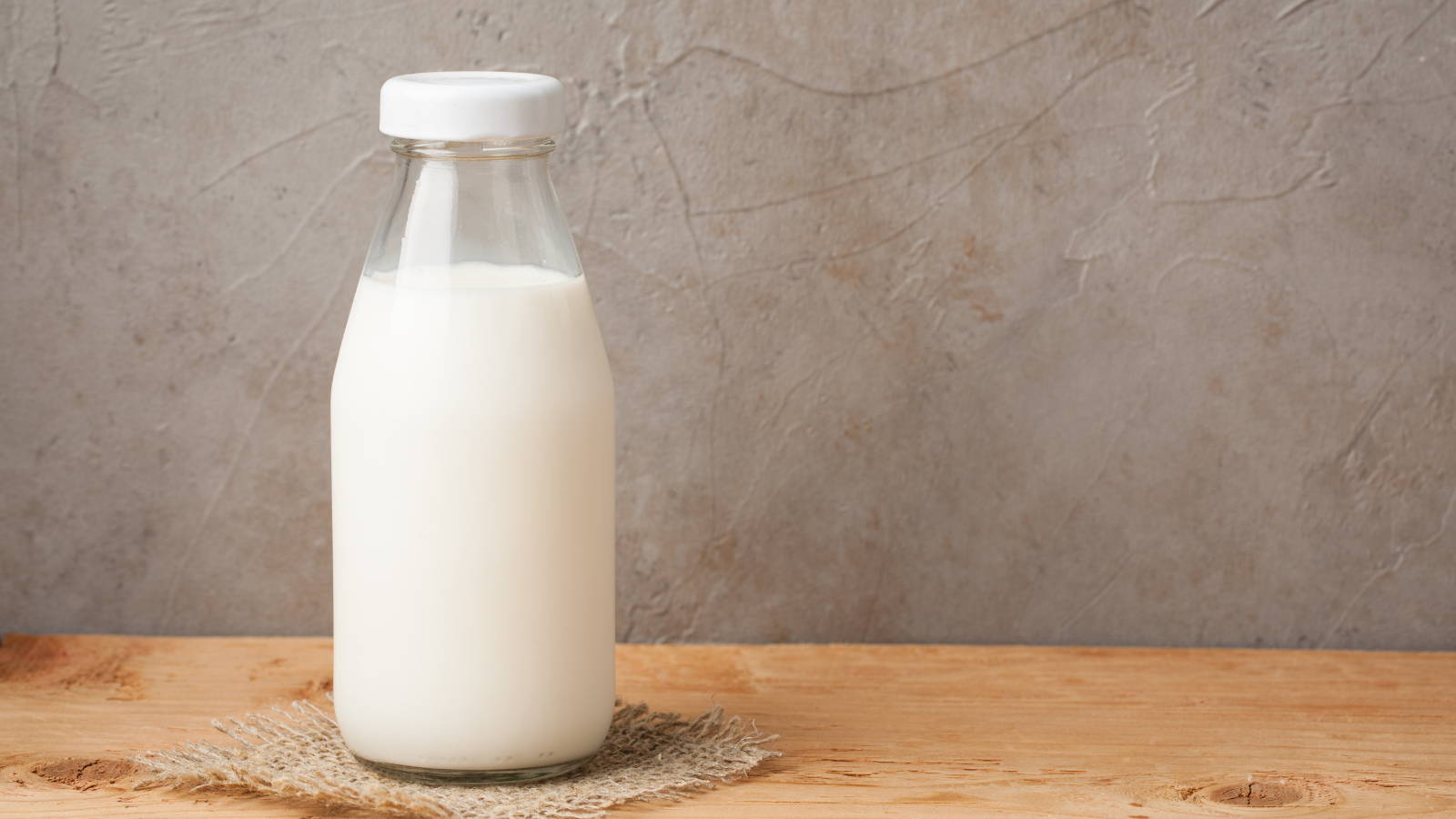
Raw milk is basically straight from the source. It hasn't been heated or processed in any way.

  • The Appeal: Fans of raw milk like it because it’s untouched. All the natural enzymes that help with digestion are still active. It has a distinct, earthy flavor that feels very traditional.
  • The Reality: Here’s the thing, Raw milk is also a magnet for bacteria. Without any heat treatment, there’s a risk of picking up germs like E. coli or Salmonella. While someone living next to a farm might drink it fresh, shipping raw milk across the country is a different story. It spoils fast and requires a perfect cold chain to stay safe.

What Is Pasteurized Camel Milk?

Pasteurization is a simple safety step. The milk is heated up just enough to kill off harmful bugs and then cooled back down immediately.

It was developed in the 19th century and has since become the global standard for commercially sold dairy. For camel milk brands and processors, pasteurization also means a longer shelf life raw camel milk might last 3–5 days refrigerated, while pasteurized can last weeks.
  • Safety First: The biggest win here is peace of mind. Pasteurized camel milk is safe for everyone, including kids and people with sensitive health needs.
  • Staying Fresh: Pasteurization also gives the milk a longer life. It stops it from souring the moment it hits the air. Modern methods are very gentle, so the milk keeps its nutrients without the risks of the raw version.

The Journey: From the Desert to the Bottle

Your milk doesn’t start its journey in a factory. It starts much earlier, out in the quiet desert scrubland. Here’s how Aadvik Foods handles that transition.

1. Sourcing at Daybreak

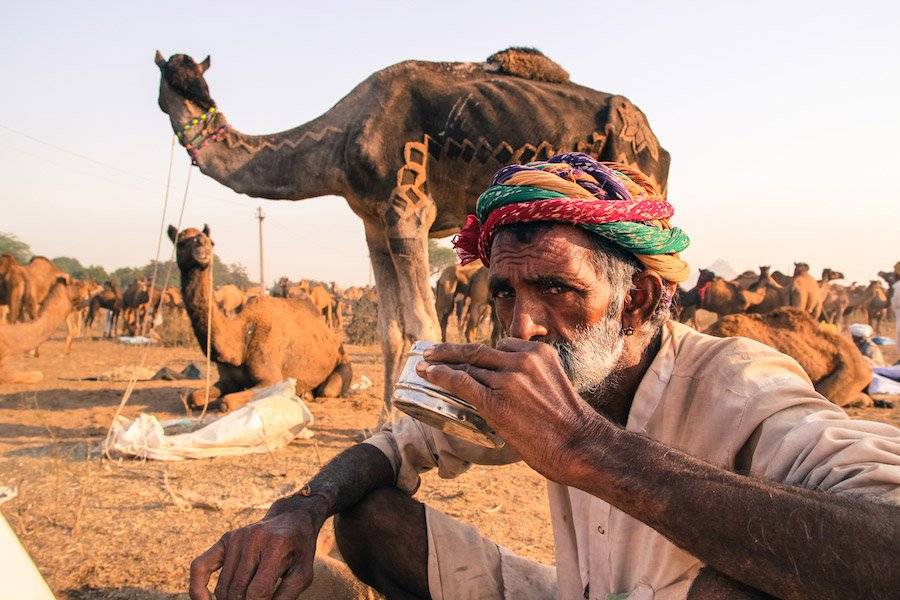
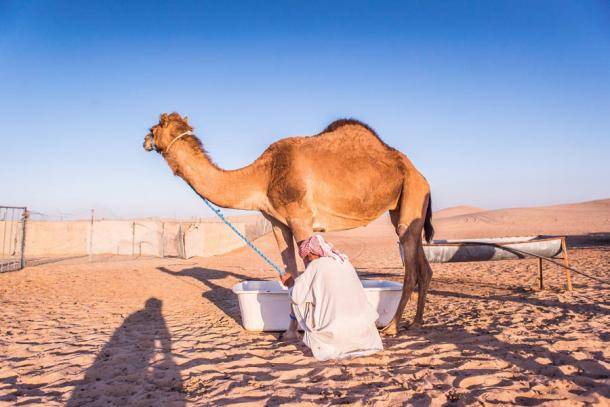
The process starts with local herders in Rajasthan and Gujarat. These families have raised camels for generations. The camels graze on natural desert plants, which is why the milk is so nutrient-dense in the first place.

2. The Quality Check

Once the milk is collected, it’s tested immediately. This isn't just a quick glance, it's a strict hygiene check. If the milk isn't pure, it doesn’t go any further.

3. Processing the Gold.

The milk then takes one of two paths. Raw milk is chilled to near freezing and rushed to delivery. Pasteurized milk is gently heat-treated. Both paths focus on one thing keeping the milk as close to its natural state as possible while ensuring it’s safe camel milk.

4. Reaching the Doorstep

Finally, it’s sealed and shipped. Whether it’s liquid or turned into a convenient powder, the goal is to make sure that when it arrives, it tastes as fresh as it did in the desert.

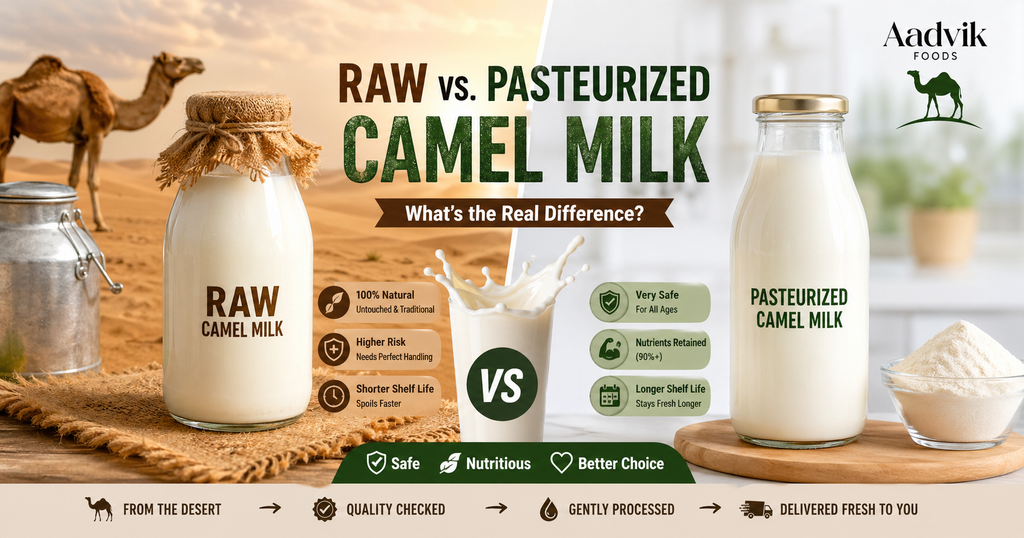
Raw vs Pasteurized Camel Milk: A Simple Comparison

FeatureRaw Camel MilkPasteurized Camel Milk
SafetyHigher risk of bacteriaVery safe for all ages
Nutrients
100% untouchedMostly retained (90%+)
Shelf LifeVery shortStays fresh longer
Availability
Harder to find/shipEasier to store and use

Which One Is he Right Choice?

It really depends on what someone is looking for.

If they live near a farm and want that raw, traditional experience, raw milk is an option but they have to be careful about the source. For most people living in cities or buying for their kids, pasteurized camel milk is the better bet. It offers a balance you get incredible health benefits without having to worry about safety.

How Aadvik Foods Bridges the Gap

At Aadvik Foods, the focus isn't on mass-producing milk it's on respecting the source. They work with over 200 herder families, making sure the process is ethical and the quality is high. By using advanced cooling and gentle pasteurization, Aadvik Foods camel milk manages to stay packed with nutrients while being safe enough for daily use.

Myths vs. Facts

Myth: Pasteurization kills the milk.

Fact: Not really. It kills the bad bacteria. While a tiny amount of heat-sensitive vitamins might dip, the big stuff like minerals and proteins stays put.

Myth: You can only get benefits from raw milk.

Fact: Most people see great results from pasteurized or freeze-dried camel milk. The body still recognizes and uses those desert nutrients just fine.

The Final Takeaway

Whether someone chooses raw or pasteurized, they are choosing one of the most unique foods on the planet. Understanding the journey helps take the mystery out of the bottle. It’s about more than just milk, it's about a thousand-year-old tradition that has finally found its way to the modern world.

Curious to try it? Explore the range of options at Aadvik Foods and find the one that fits your morning routine.

Frequently Asked Questions

Can camel milk be pasteurized?

Yes, camel milk can be pasteurized just like cow’s milk. It’s heated briefly to kill harmful bacteria, making it safer and giving it a longer shelf life.

Is it safe to drink unpasteurized camel milk?

Not always. Raw camel milk can be safe if it comes from a very clean, well-managed farm, but there’s still a risk of harmful bacteria. That’s why many people prefer pasteurized milk for safety.

What is better, pasteurized or unpasteurized milk?

It depends on your situation. Pasteurized milk is safer and more practical for most people. Raw milk may taste fresher, but it comes with more risk, especially if the source isn’t reliable.

Which bacteria are not killed by pasteurization?

Pasteurization kills most harmful bacteria, but not all microorganisms are completely eliminated. Some heat-resistant bacteria can survive, though they’re usually not harmful if the milk is handled properly.

Is raw camel milk safe to drink?

It can be, but only under the right conditions—clean milking, healthy animals, and proper storage. Without that, the risk of contamination increases, so it’s not considered the safest option for everyone.

Why do athletes drink raw milk?

Some athletes believe raw milk is more “natural” and contains beneficial enzymes. But there’s no strong evidence that it gives a clear performance advantage over pasteurized milk.
Related Articles

How to Identify High-Quality Camel Milk Before You Buy
How to Identify High-Quality Camel Milk Before You...
Why Is Camel Milk in Rajasthan Stored in Brass Instead of Steel?
Myths, Magic & Real Desert Life: Why Rajasthan’s...
Raw vs Pasteurized Camel Milk: Safety, Taste and Key Differences
Raw vs. Pasteurized Camel Milk: What Really Happens...
Is Goat Milk Safe for Babies? What Parents Must Know
Is Goat Milk Safe for Babies? Here's What...
How Every Bite Shapes Your Gut Health and Microbiome
How Every Bite Shapes Gut Health: What Your...
How Your Kitchen Supports Immune Health During Winter
How Your Kitchen Supports Immune Health During Winter...
Sale Off
Camel_Milk_Powder
₹ 1,349.00₹ 999.00
Sale Off
Camel milk powder sachets
₹ 1,449.00₹ 1,423.00